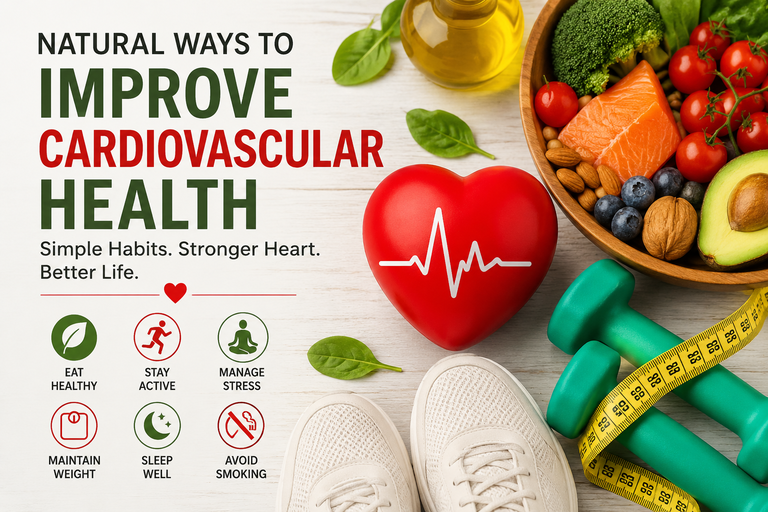
Your heart works tirelessly every second of every day, pumping oxygen-rich blood throughout your body to keep every organ functioning properly. Yet cardiovascular disease remains one of the leading causes of death worldwide, affecting millions of people each year. The encouraging news is that many heart-related conditions can be prevented or managed through healthy lifestyle choices rather than relying solely on medication.
Improving cardiovascular health doesn’t require drastic changes overnight. Instead, small, consistent habits can significantly reduce your risk of heart disease while improving your overall quality of life. Whether you’re looking to prevent future heart problems or simply want to support a healthier lifestyle, natural approaches can make a meaningful difference.
Table of Contents
ToggleWhy Cardiovascular Health Matters
Cardiovascular health refers to the condition of your heart and blood vessels. A healthy cardiovascular system efficiently delivers oxygen and nutrients throughout your body while removing waste products. When the heart or blood vessels become damaged, it increases the risk of conditions such as high blood pressure, heart attacks, strokes, and heart failure.
Factors like poor diet, lack of physical activity, smoking, obesity, chronic stress, and inadequate sleep can gradually weaken the cardiovascular system. Fortunately, these are also areas where natural lifestyle improvements can have the greatest impact.
Eat More Heart-Friendly Foods
Nutrition is one of the most powerful tools for maintaining cardiovascular health. A balanced diet helps regulate cholesterol, blood pressure, and inflammation while supporting healthy blood vessels.
Focus on incorporating:
- Fresh fruits and colorful vegetables
- Whole grains such as oats, brown rice, and quinoa
- Lean proteins like fish, beans, lentils, and skinless poultry
- Healthy fats from avocados, nuts, seeds, and olive oil
- Fatty fish rich in omega-3 fatty acids, including salmon and sardines
Limit processed foods that contain excessive sodium, added sugars, and unhealthy trans fats. Replacing sugary beverages with water or herbal tea is another simple step that benefits heart health.
Stay Physically Active
Regular exercise strengthens the heart muscle, improves circulation, lowers blood pressure, and helps maintain a healthy weight. Physical activity also increases good HDL cholesterol while reducing harmful LDL cholesterol.
Aim for at least 150 minutes of moderate-intensity exercise each week. You don’t need an expensive gym membership to stay active.
Excellent heart-friendly activities include:
- Brisk walking
- Cycling
- Swimming
- Dancing
- Jogging
- Hiking
- Yoga
Even simple habits such as taking the stairs, walking after meals, or stretching during work breaks contribute to better cardiovascular health.
Maintain a Healthy Weight
Carrying excess body weight places additional strain on the heart. Obesity is closely linked to high blood pressure, diabetes, elevated cholesterol, and increased inflammation—all major risk factors for cardiovascular disease.
Instead of focusing on rapid weight loss, prioritize sustainable habits:
- Eat balanced meals.
- Practice portion control.
- Avoid emotional eating.
- Stay physically active.
- Drink enough water throughout the day.
Even losing 5–10% of excess body weight can significantly improve heart health.
Manage Stress Naturally
Chronic stress can negatively affect the cardiovascular system by increasing blood pressure, heart rate, and inflammation. Over time, unmanaged stress contributes to unhealthy behaviors such as overeating, smoking, and physical inactivity.
Natural stress-management techniques include:
- Deep breathing exercises
- Meditation
- Mindfulness practices
- Spending time outdoors
- Listening to calming music
- Journaling
- Connecting with family and friends
Taking just 10 to 15 minutes daily to relax can positively impact both mental well-being and heart health.
Prioritize Quality Sleep
Sleep is often overlooked, but it plays a vital role in cardiovascular wellness. Poor sleep can increase blood pressure, disrupt hormone balance, and raise the risk of obesity and diabetes.
Adults should aim for seven to nine hours of quality sleep every night.
Healthy sleep habits include:
- Going to bed at the same time daily
- Limiting screen time before bedtime
- Keeping your bedroom cool and dark
- Avoiding caffeine late in the day
- Creating a relaxing nighttime routine
Consistent, restorative sleep allows the heart to recover and function more efficiently.
Quit Smoking and Limit Alcohol
Smoking damages blood vessels, reduces oxygen delivery, raises blood pressure, and dramatically increases the risk of heart disease. Quitting smoking is one of the most impactful decisions you can make for cardiovascular health.
Likewise, excessive alcohol consumption can contribute to high blood pressure, irregular heart rhythms, and weight gain. If you drink alcohol, do so in moderation according to medical guidelines.
The body begins repairing itself surprisingly quickly after smoking cessation, with cardiovascular benefits appearing within weeks to months.
Stay Hydrated
Water supports healthy circulation and helps the heart pump blood more efficiently. Mild dehydration can make the heart work harder, especially during physical activity or hot weather.
Most adults benefit from drinking enough water throughout the day, although individual needs vary depending on activity level, climate, and health conditions.
Choose water over sugary drinks whenever possible to reduce unnecessary calories and added sugars.
Control Blood Pressure Naturally
High blood pressure often develops without noticeable symptoms, earning its reputation as the “silent killer.” Fortunately, many natural habits help maintain healthy blood pressure.
Effective strategies include:
- Reducing sodium intake
- Eating potassium-rich foods like bananas, spinach, and sweet potatoes
- Exercising regularly
- Managing stress
- Maintaining a healthy weight
- Limiting processed foods
Monitoring your blood pressure regularly allows you to identify changes before complications develop.
Include Heart-Healthy Supplements Carefully
While food should always be the primary source of nutrients, certain supplements may support cardiovascular health when recommended by a healthcare professional.
Some commonly discussed options include:
- Omega-3 fish oil
- Coenzyme Q10 (CoQ10)
- Magnesium
- Plant sterols
- Soluble fiber supplements
Supplements should never replace healthy eating or prescribed medications. Always consult your healthcare provider before beginning any supplement regimen.
Reduce Added Sugar
High sugar consumption contributes to obesity, diabetes, fatty liver disease, and inflammation, all of which increase cardiovascular risk.
Simple ways to lower sugar intake include:
- Reading nutrition labels
- Choosing unsweetened beverages
- Eating whole fruit instead of sugary desserts
- Limiting processed snacks
- Cooking more meals at home
Gradually reducing sugar allows your taste buds to adjust naturally over time.
Schedule Regular Health Checkups
Prevention is one of the best strategies for maintaining cardiovascular health. Routine medical checkups can identify risk factors before they become serious problems.
Important health measurements include:
- Blood pressure
- Cholesterol levels
- Blood glucose
- Body weight
- Waist circumference
Early detection allows for timely lifestyle changes or treatment when necessary.
Build Long-Term Healthy Habits
The secret to better cardiovascular health isn’t perfection—it’s consistency. Small daily improvements add up over months and years.
Rather than making dramatic lifestyle changes all at once, choose one or two healthy habits to focus on first. As these become routine, gradually introduce additional positive behaviors.
Examples include:
- Walking 30 minutes each day
- Eating one extra serving of vegetables
- Drinking more water
- Sleeping an extra hour
- Practicing five minutes of meditation
These manageable changes are easier to maintain and often lead to lasting success.
Final Thoughts
Your heart supports every aspect of your life, making cardiovascular health one of the most valuable investments you can make. Natural approaches such as eating a nutrient-rich diet, exercising regularly, managing stress, sleeping well, maintaining a healthy weight, and avoiding tobacco can dramatically lower your risk of heart disease while improving overall wellness.
Remember that lasting heart health comes from consistent daily choices rather than quick fixes. By adopting these natural habits and working closely with your healthcare provider when needed, you can strengthen your cardiovascular system and enjoy a healthier, more active life for years to come.
Start with one positive change today—your heart will thank you tomorrow.